
Connecting Our Neighborhood — Past, Present, and Future
The Bradford Steps are more than a way to climb the hillside. They are part of the character, history, and everyday life of Grand Rapids’ Belknap Lookout neighborhood.
For generations, neighborhood stairways have helped connect residents to their community. Today, the neighborhood association Neighbors of Belknap Lookout (NOBL) is working to preserve and improve the Bradford Steps and their surroundings, making this special place more attractive, welcoming, and enjoyable for years to come.
Explore the Bradford Steps — their history, their transformation, and their future:
The steep hillsides of Belknap Lookout have shaped how people live, travel, and connect with one another. Public stairways have long been an important part of that story. Discover the history of the Bradford Steps, their place in the neighborhood, and the role they have played in connecting our community.
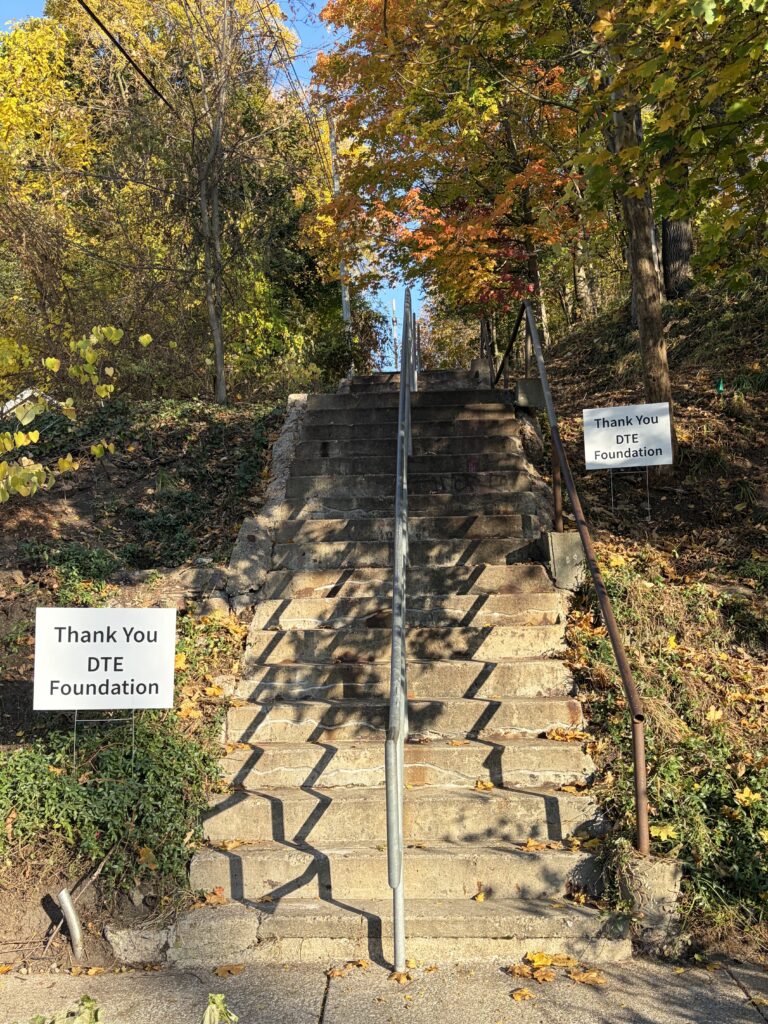
With support from the DTE Foundation, NOBL has undertaken a project to clean up and beautify the area surrounding the Bradford Steps. The work includes removing unwanted vegetation, improving the landscape, and introducing new plantings that will enhance this neighborhood space. Learn about the project, the people involved, and the improvements being made.
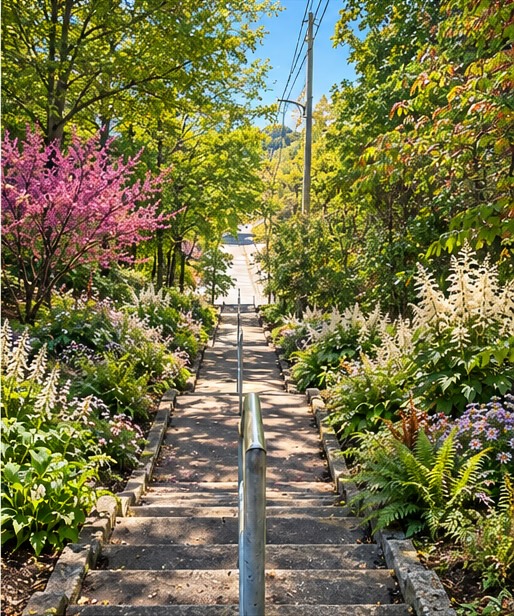
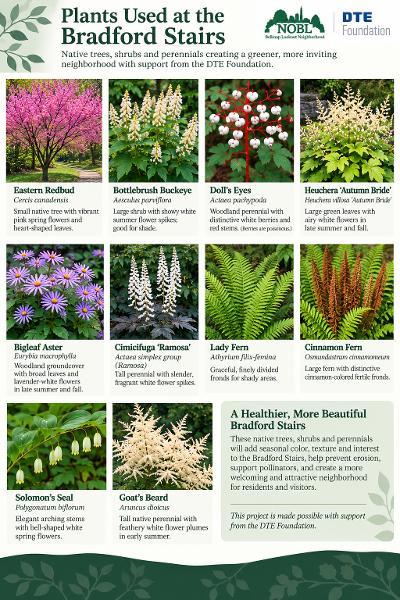
A variety of carefully selected plants will bring new color, texture, and seasonal interest to the Bradford Steps. These plantings are intended to complement the hillside and create a more inviting setting for everyone who uses the stairs. Meet the plants and discover what they will look like as the landscape grows and matures. (Full growth rendering by ChatGPT.)
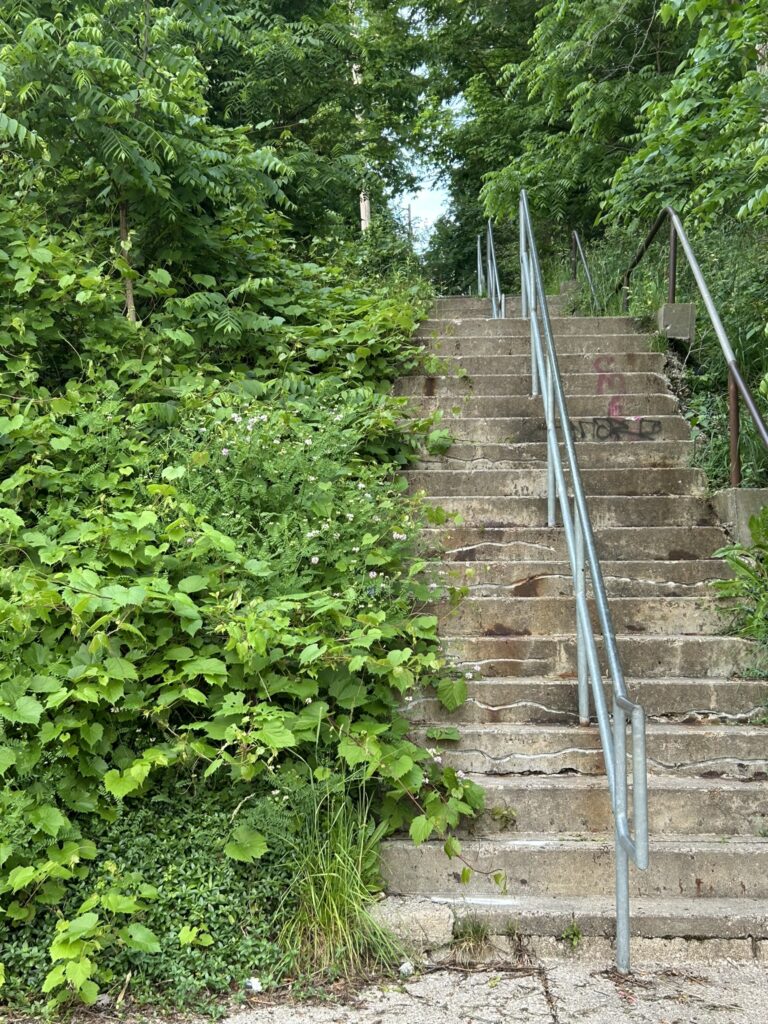
Not every plant growing along the hillside is beneficial. Invasive species can spread aggressively, crowd out desirable vegetation, and make it difficult to maintain a healthy landscape. Learn how invasive plants affect our neighborhood’s natural spaces and why managing them is an important part of caring for the Bradford Steps.
Our work is just beginning! The DTE Foundation-supported landscaping project is the first phase of a larger vision for the Bradford Steps. Future plans include repairing or replacing the stairs, adding lighting, and ultimately installing a colorful stairway mural — the original inspiration for the project. Learn how these three phases can transform the Bradford Stairs into a safer, more attractive neighborhood landmark.
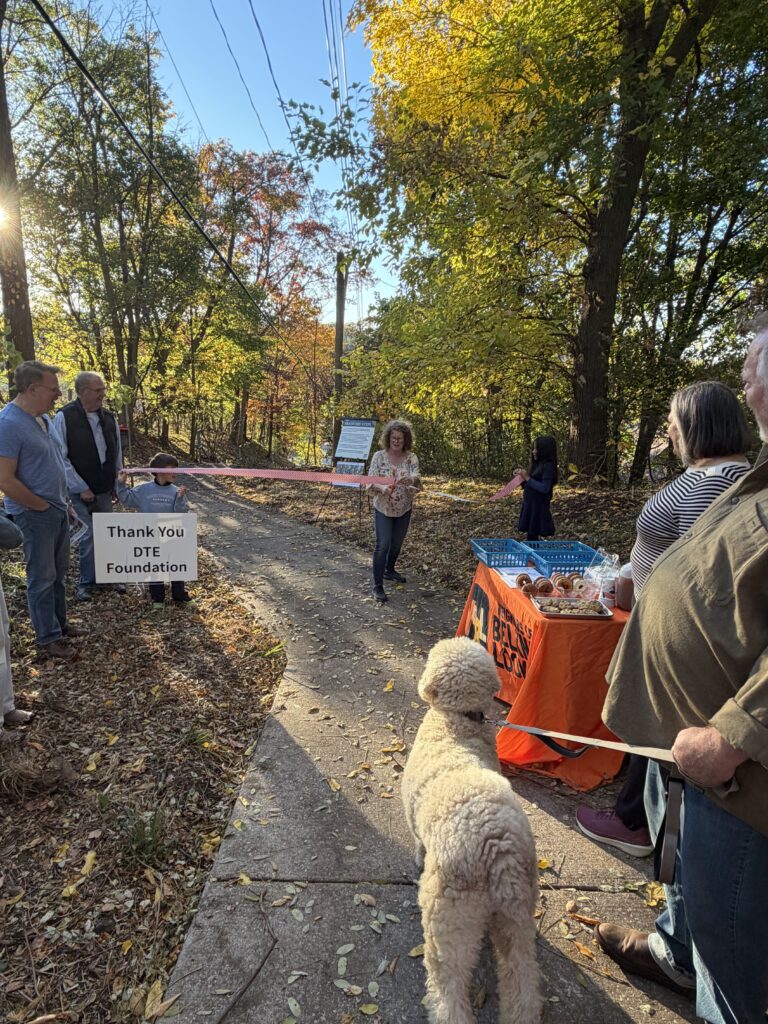
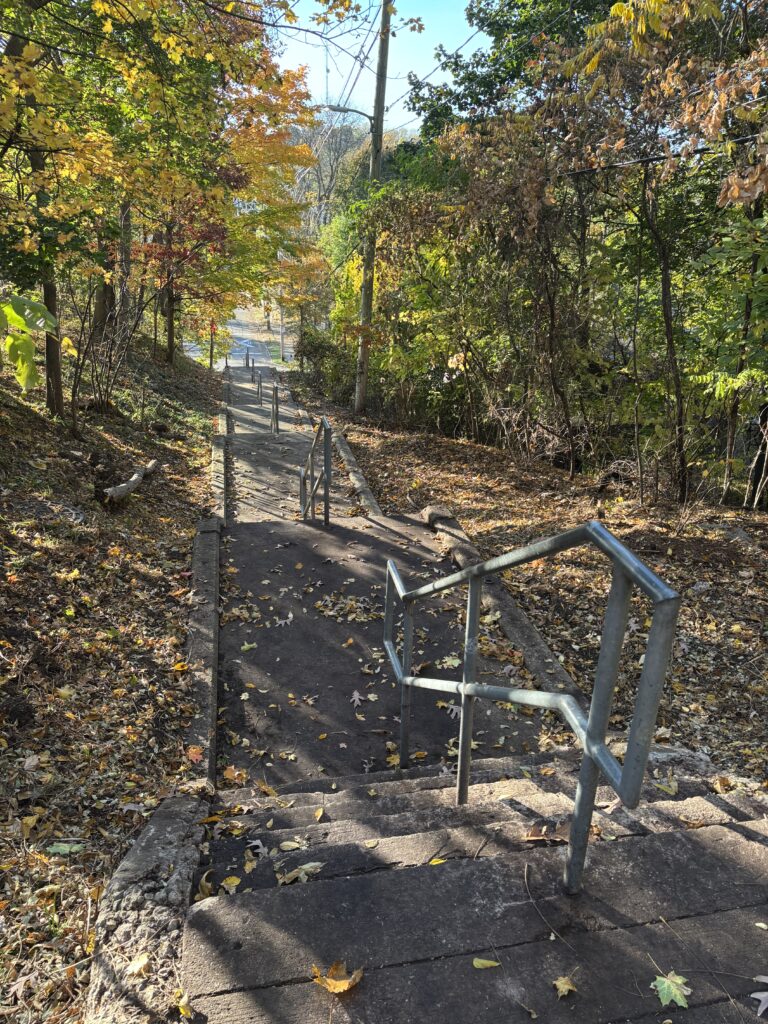
The Bradford Steps landscaping project is made possible through generous support from the DTE Foundation, with the participation of NOBL and our community partners.
Together, we are caring for an important neighborhood connection and helping ensure that it remains a valued part of Belknap Lookout for generations to come.
Neighbors of Belknap Lookout (NOBL)
Basic timeline and significance of Bradford Steps [running from North/Bradford to Prospect]
As researched by NOBL Beautification Committee
Thanks to Grand Rapids Public Library/Robby and City of Grand Rapids Archives/Matthew
Bradford Street running from College Avenue NE, west and dead-ending at [upper] North Ave., has appeared on GR City maps since at least 1888. The mission church, its property, and several of the existing homes appear on maps of that time as well. The street picks up at Lafayette NE and goes up the hill to Fairview.
The only street with direct access to Lafayette from College between Hastings and Leonard is Cedar. Pedestrians between Hastings and Leonard have found a quicker way to get to Lafayette: the relatively hidden Bradford steps.
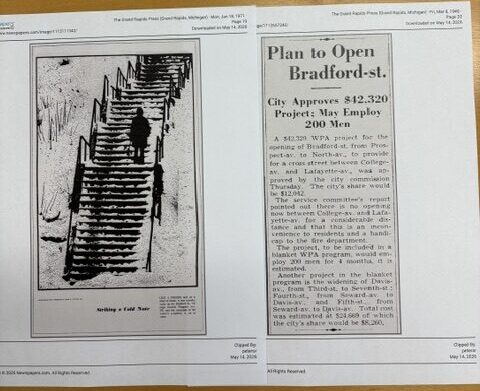
In 1924, neighbors requested that cement steps be built on Bradford Street east of Prospect Ave. with approaches for an outlet to Lafayette. The Grand Trunk Railway company already ran a main track north of Bradford and, in 1929, wanted to lay track for a siding on the east side of Lafayette and north side of its existing track. The City archives hold photos of this work being done, showing the steep topography between Bradford and Lafayette east of the tracks. View City Commission proceedings and archival photos here.
In 1940, a $42,320 Works Progress Administration project (under President Franklin D. Roosevelt) for the opening of Bradford Street from Prospect Ave. to North Ave. to provide for a cross street between College Ave. and Lafayette Ave., was approved by the Grand Rapids City Commission. The City’s share would be $12,042. The initial proposal had pointed out that there was no opening between College Ave. and Lafayette Ave. for a considerable distance and that it proved an inconvenience to residents and a handicap to the fire department. It was estimated that the project would employ 200 men for 4 months.
It appears that the WPA had other ideas because in 1941, after receiving numerous complaints about removal of “the wooden steps” on Bradford Street between Prospect Ave. and North Ave. NE, the City Commission recommended that a WPA project be prepared for building the concrete steps. Estimated cost $5,020 “of which the City’s share will be $1,770.”
Over 100 years after neighbors first asked that the Bradford Steps be built, they remain an essential neighborhood connector. Not only that, they’re a symbol of how citizens and government can work together to improve lives.
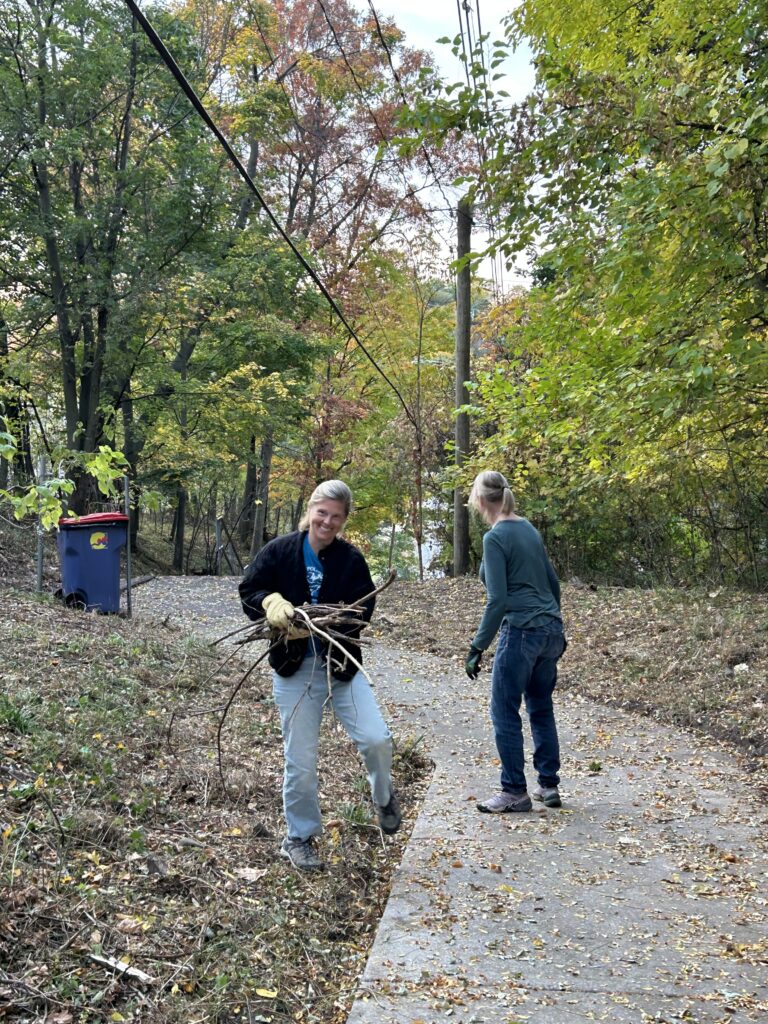
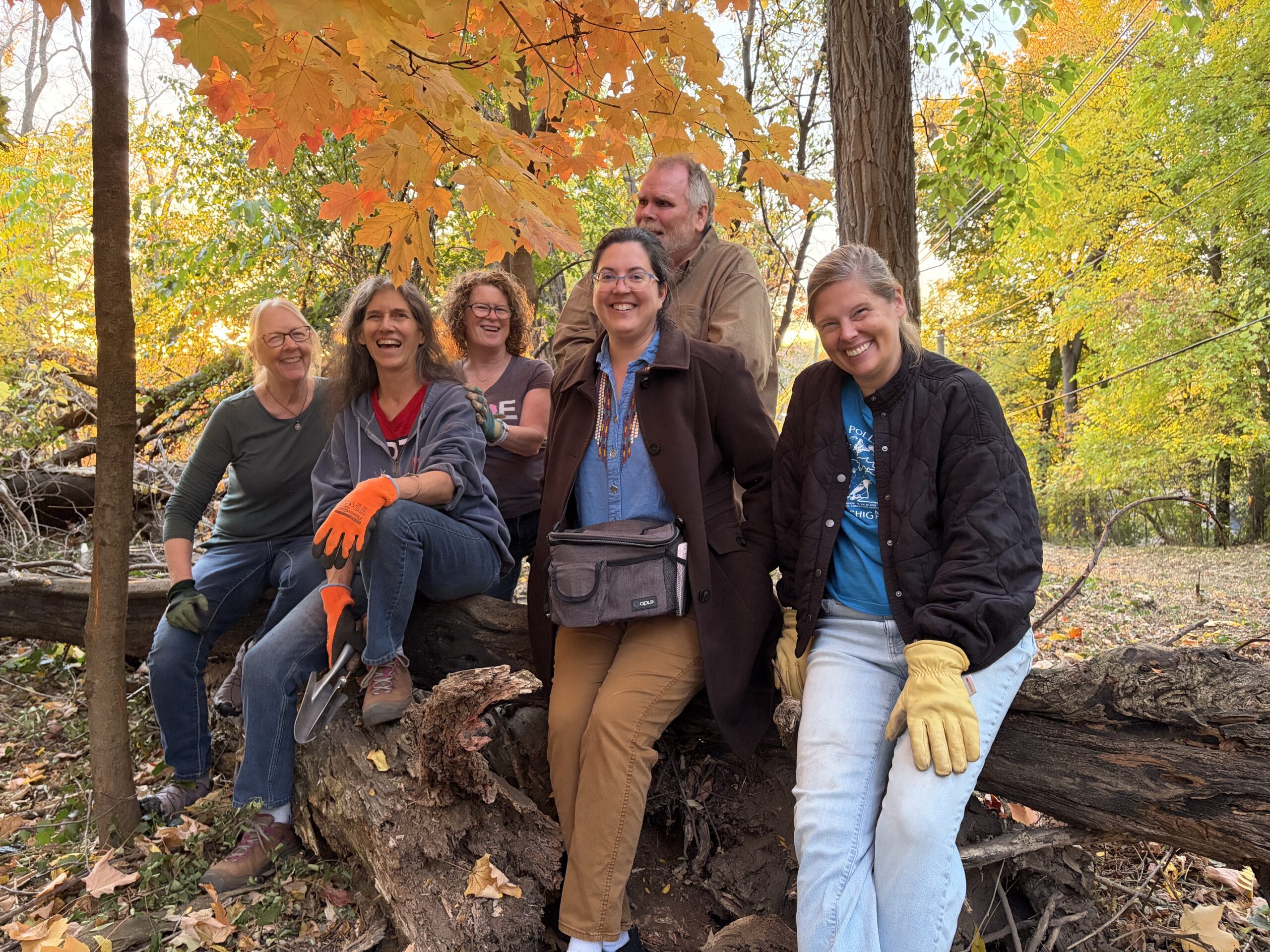
In 2026, DTE provided a grant to Neighbors of Belknap Lookout to enhance the pathway, removing invasive plants and planting native perennials. We wish to acknowledge the work done by Rooks Landscaping and management of the project by the NOBL Beautification Committee (2026 members include: Lara Dengerink Van Til, Dustin Lautenbach, Sondra Loucks Wilson, Kristin Morgan, Ginny O’Connor Doyle, Anita Oomkes, Clare Wade, Tiffany Wilhelm, and Tiffany Young). Learn more about the Beautification Committee here.
Rooks Landscaping took the lead on removing unwanted vegetation. Next our Beautification Committee and other volunteers jumped in to clear some lingering cuttings and to pull additional vines that were choking the large trees at the top of the hill. Check out more pictures of everyone’s work and the celebration that followed.
In addition to anchor trees and shrubs such as the Eastern Redbud, the plants selected to adorn the Bradford Steps include Bottlebrush Buckeye, Doll’s Eyes, Heuchera “Autumn Bride”, Bigleaf Aster, Cimicifuga “Ramosa”, Lady Fern, Cinnamon Fern, Solomon’s Seal, and Goat’s Beard. See them at their peak in this section’s image and see them bigger here.
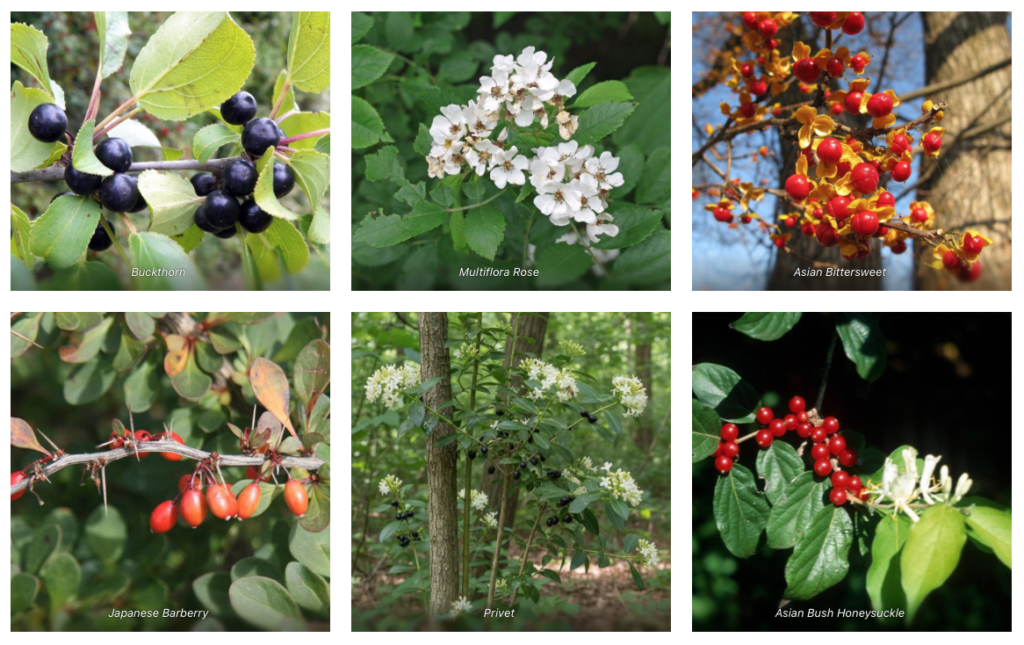
The Bradford Steps restoration project is about more than making this neighborhood space beautiful. It’s also about restoring a healthier ecosystem.
Over time, invasive plants have spread throughout the hillside, crowding out native wildflowers, shrubs, and young trees. Many of these plants leaf out early, grow rapidly, and form dense thickets that prevent native plants from thriving.
Native plants remove essential food and habitat for birds, butterflies, bees and other wildlife. By removing invasive species and replacing them with native perennials, we’re helping restore biodiversity and create a healthier, more resilient landscape.
Building on Our Progress — One Phase at a Time
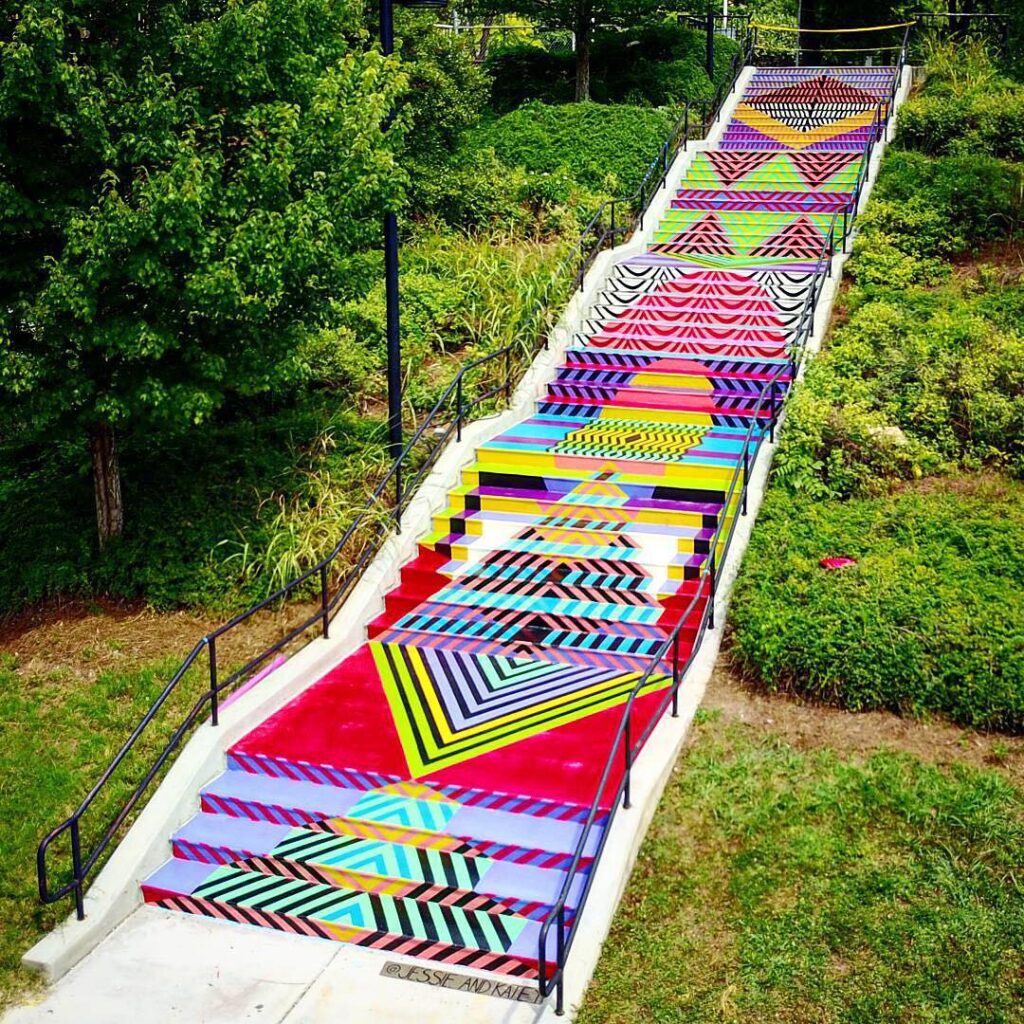
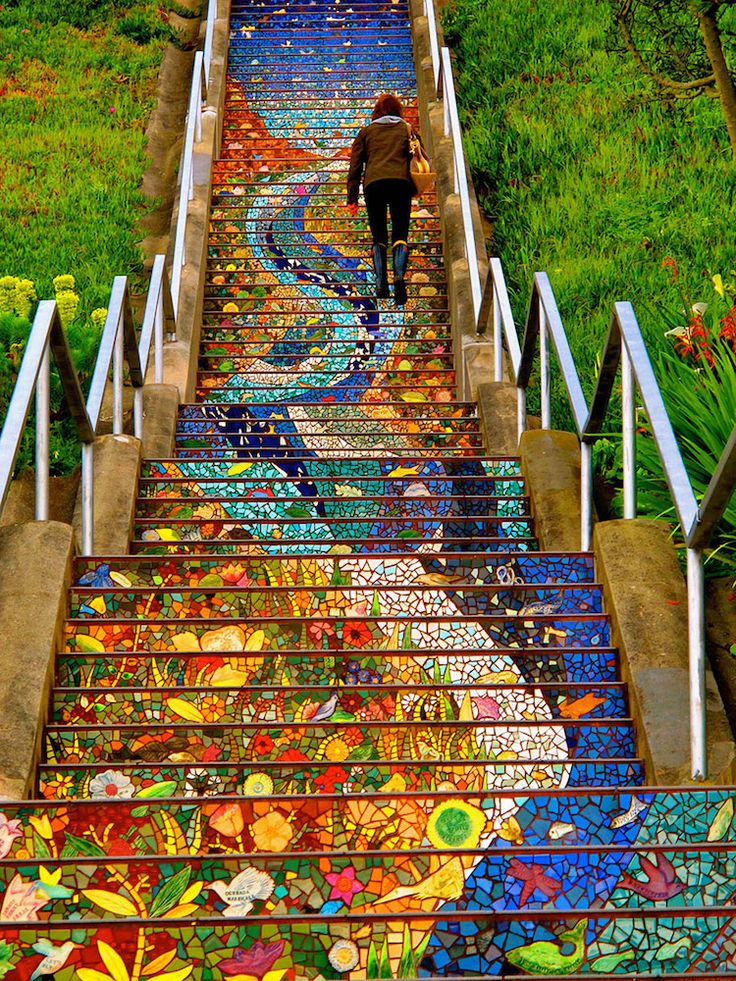
The Bradford Steps improvement project began with a creative idea: transform an ordinary neighborhood stairway into a colorful work of public art. (See examples from Knoxville, TN and San Francisco, CA.)
With support from the DTE Foundation, NOBL initially planned to install a mural on the stairs. However, as the project developed, it became apparent that the stairs themselves would need to be repainted, repaired, or replaced before a mural could be installed.
Rather than proceed with artwork on a surface that might soon require major work, NOBL redirected its initial efforts toward improving the surrounding landscape.
That decision helped establish a broader, three-phase vision for the Bradford Steps.
Phase 1: Landscaping and Beautification
Creating a More Welcoming Environment
The first phase, supported by the DTE Foundation, focuses on cleaning up and beautifying the hillside surrounding the stairs.
The project includes removing unwanted vegetation, addressing invasive species, and installing new landscaping to bring color and seasonal interest to the area.
These improvements provide a foundation for the next phases while demonstrating how thoughtful investments can enhance important neighborhood spaces.
Phase 2: Stairway Restoration and Lighting
Making the Connection Safer and More Inviting
The next phase will focus on the physical condition and usability of the Bradford Stairs.
NOBL hopes to work with the City of Grand Rapids and other partners to evaluate the stairs and determine whether repairs or replacement would provide the best long-term solution.
This phase would also include exploring the installation of lighting to improve visibility, safety, and the appearance of the stairway.
Restoring the stairs and providing appropriate lighting would help ensure that this important pedestrian connection continues to serve neighborhood residents and visitors for years to come.
Phase 3: The Bradford Steps Mural
Bringing the Original Vision to Life
The final phase brings the project full circle.
The original DTE Foundation grant proposal envisioned transforming the Bradford Stairs into a colorful public artwork through the installation of a mural directly on the stairway.
Although that element had to be postponed until the condition of the stairs could be addressed, the vision remains.
Once the stairs have been restored or replaced, NOBL hopes to revisit the mural concept, working with artists, residents, and community partners to create artwork that reflects the identity, history, and spirit of Belknap Lookout.
A stairway mural could turn this everyday pedestrian connection into a distinctive neighborhood landmark — a place that celebrates community pride and invites people to experience Belknap Lookout in a new way.
What kind of design would you choose?
Help Shape the Future
The Bradford Stairs project is more than a single landscaping improvement. It represents a long-term commitment to preserving and enhancing the public spaces that connect our neighborhood.
As Belknap Lookout approaches its centennial celebration in 2031, the Bradford Stairs offer an opportunity to celebrate our neighborhood’s history while investing in its future.
Future phases will depend on partnerships, available funding, and community participation.
Interested in helping?
We welcome ideas, volunteers, community partners, and potential supporters who would like to help bring the next phases of the Bradford Stairs project to life.